Animal
Welfare represents an area of interest for MARR, also in line with the growing
awareness among Clients and consumers on this theme. The focus in this regard
is aimed at the goal of making available, within the product range,
animal-origin products obtained through supply chains respectful of animal
welfare conditions.
MARR established
an Animal Welfare Policy, with the objective of promoting responsible
practices throughout production chains and increasing stakeholder awareness on
the topic.
MARR does
not directly manage any animal-origin supply chain; however, it requires its
suppliers to comply with current animal welfare regulations through the signing
of supply agreements as well as adherence to the Supplier Code of Conduct, while in some cases encouraging the progressive
implementation of specific criteria in addition to the minimum standards
required by law.
In
order to improve animal welfare conditions within production chains, MARR has
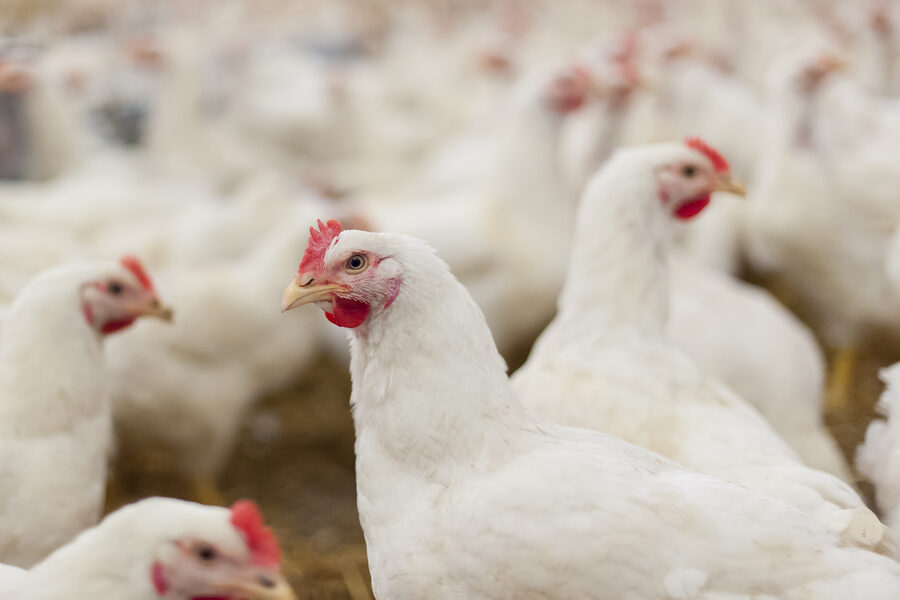
implemented control systems at laying hen and broiler chicken farms that
supply raw materials to its vendors. Specific disciplinaries have been
defined for application to these supply chains, resulting in the obtaining of certification
for the control system for the national supply chain of laying hens and broiler
chickens.
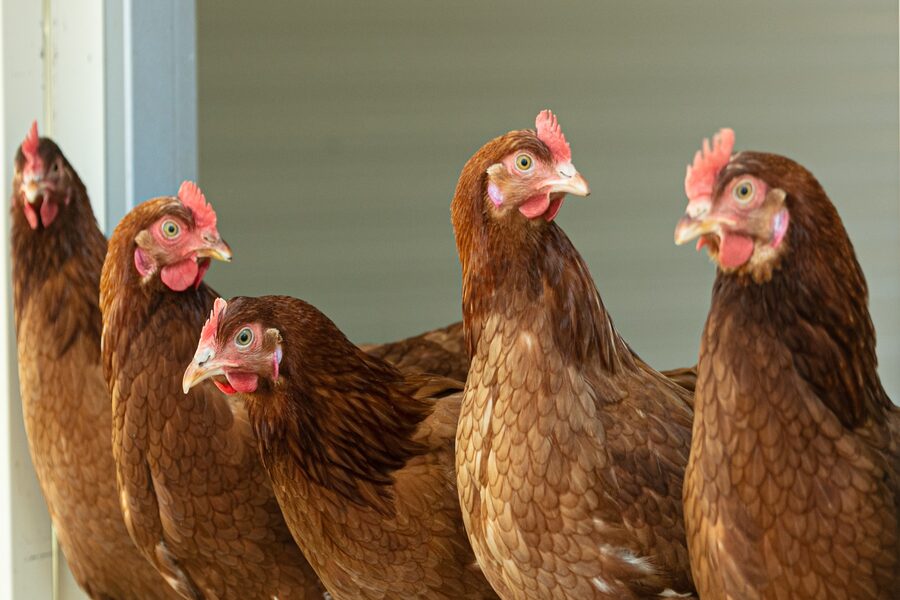
MARR considers the confinement of laying hens in cages, although carried out in compliance with current legislation, to be a farming method that does not align with animal welfare standards. For this reason, the company has committed to discontinuing the marketing of eggs and egg products originating from caged and combined systems. Due to exceptional circumstances, including health emergencies related to avian influenza and a significant increase in global demand, MARR has rescheduled the deadline to complete the transition to cage-free eggs and egg products on December 31st, 2030.
Despite the revised timeline, MARR confirms and strengthens its commitment through constant monitoring and independent audits at farms, considering these measures essential to verify animal welfare conditions along the supply chain. This approach goes with concrete actions already started as well as already planned projects, such as:
• In October 2024, the transition to cage-free systems for eggs and egg products used as ingredients in MARR’s private label products was completed.
• By 2026, a MARR branded line of barn-eggs and barn-egg products will be launched.
• MARR promotes awareness campaigns targeting Clients to encourage the use of eggs and egg products from barn-raised and organic certified farms.
MARR
requires its suppliers to adopt responsible farming practices that comply with
specific animal welfare criteria defined for fish species. As part of the “Sustainable
Fish Supply Chain” control program, verification activities for aquaculture
suppliers have been expanded to monitor compliance with key animal welfare
criteria, such as stocking density, water quality, and slaughter practices.
(For further details, see MARR - Sustainable fishing and fish farming).
For several
years, MARR has identified proper handling methods for live crustaceans
throughout all stages of commercialization to maintain animals in good health
and minimize stress conditions. Crustaceans are kept in dedicated tanks that
meet the physiological needs of the species in terms of size, capacity,
temperature range, and salinity. The number of animals per tank is managed to
prevent overcrowding. Holding time in tanks is minimized to avoid unnecessary
stress.
Additionally, an information and awareness campaign has been launched for
Clients to discourage displaying live animals on ice and to promote the use of
appropriate slaughter techniques, avoiding direct immersion in boiling water.



 Animal welfare policy